Contains major spoilers for Star Trek: Picard
In the commentary for Serenity, the movie follow-on to the short lived and much beloved series Firefly, Joss Whedon became particularly animated at the pivotal moment when we see River posed with a pair of axes while, strewn around her, lay the bodies of fallen Reavers.
This moment, it seems, was the starting point, the inspiration for the entire movie. And it was the climax. From that moment, Whedon worked backwards, answering for himself the question, “What led to this point?”
I suspect the plot for Star Trek: Picard S3 was similarly driven by the moment when the reunited TNG crew exited space dock in a newly reconstituted Enterprise-D. This was the moment the writers had to get to. Now, what led to it?
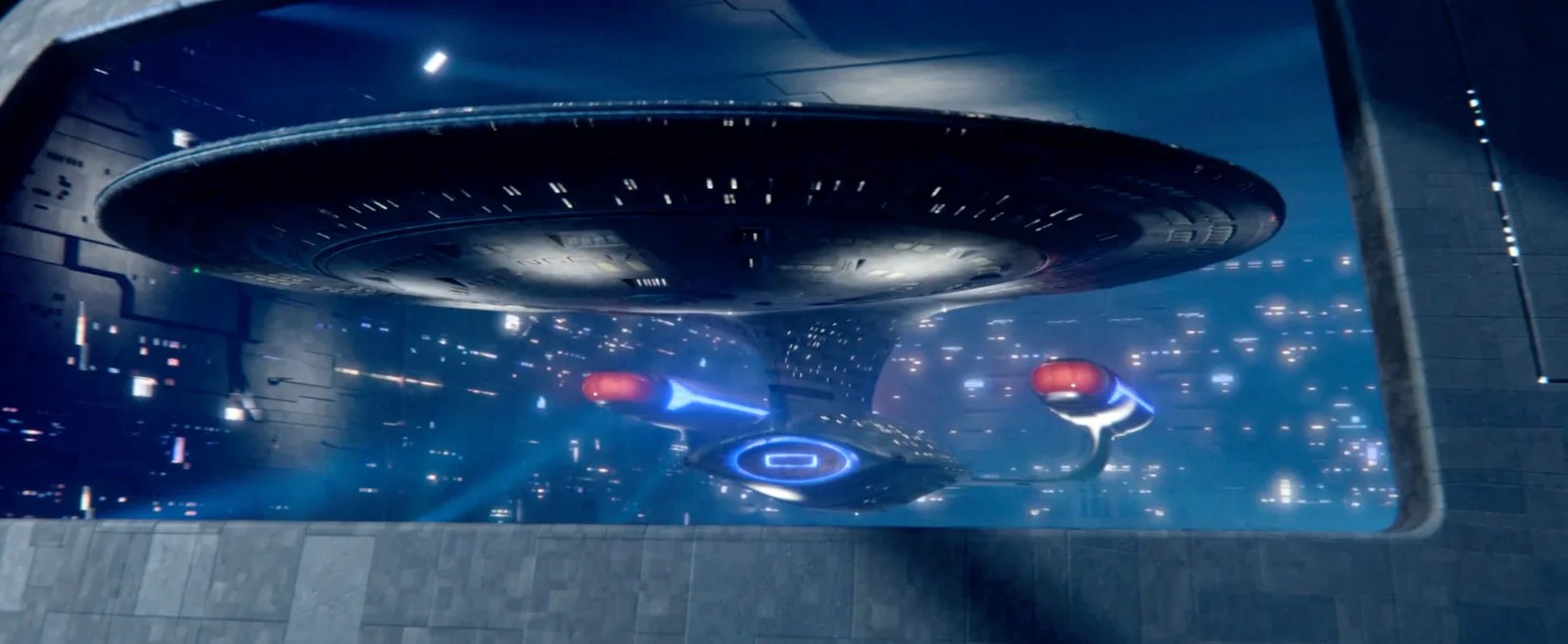
There would have been many questions. Why would they need an old, Galaxy-class starship? Well, they would need it if there was a problem with the newer models. What problem? And so on. The Enterprise-D launches in episode 9 of 10, and I would argue that, no matter what happens in episode 10, this represents the climax of the story. The rest — stopping the Borg attack, expunging the Borg portion of the young drones, rescuing Jack — is part of the tidying up that has to happen before we let our heroes go forth to Live Long and Prosper.
All this to say that a good story doesn’t necessarily stem from a vision of the start of it all. You might think of a moment that occurs at the end of Act 1, Act2 or near the end of Act 3. It doesn’t matter. From that moment, you can work backwards and forwards until your story is complete.
One last comment about Star Trek. I was never a huge fan of TNG (he says to the sound of collected gasps). But there certainly were some classic episodes, in particular, “All Good Things”, “The Inner Light”, “Yesterday’s Enterprise”, and “The Best of Both Worlds.” Star Trek: Picard S3, meanwhile, all of it, is a Very Good Story. In fact, I would argue, as of episode 9, that it represents the best that Star Trek has ever been. Why is that? Because of the story. Because of the script. A because the cast has matured into actors who can believably portray complex emotions and pull us along with them.
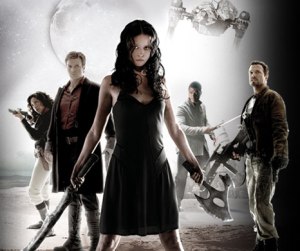 Another reason is what I call the Joss Whedon effect. Fans of the TV series Firefly were, to put it mildly, shocked that two major characters were killed in the follow-up movie, Serenity. The reason for this, as Joss Whedon explained in the movie commentary, was to place some doubt in the minds of the audience as to whether or not the remaining characters would survive. After all, in most stories, no matter how harrowing the action, the major characters generally pull through. The only real question is, how will they pull through? By killing two characters, Whedon shook us out of our complacency and really made us wonder not just how, but if our beloved characters would survive.
 SelimPensFiction